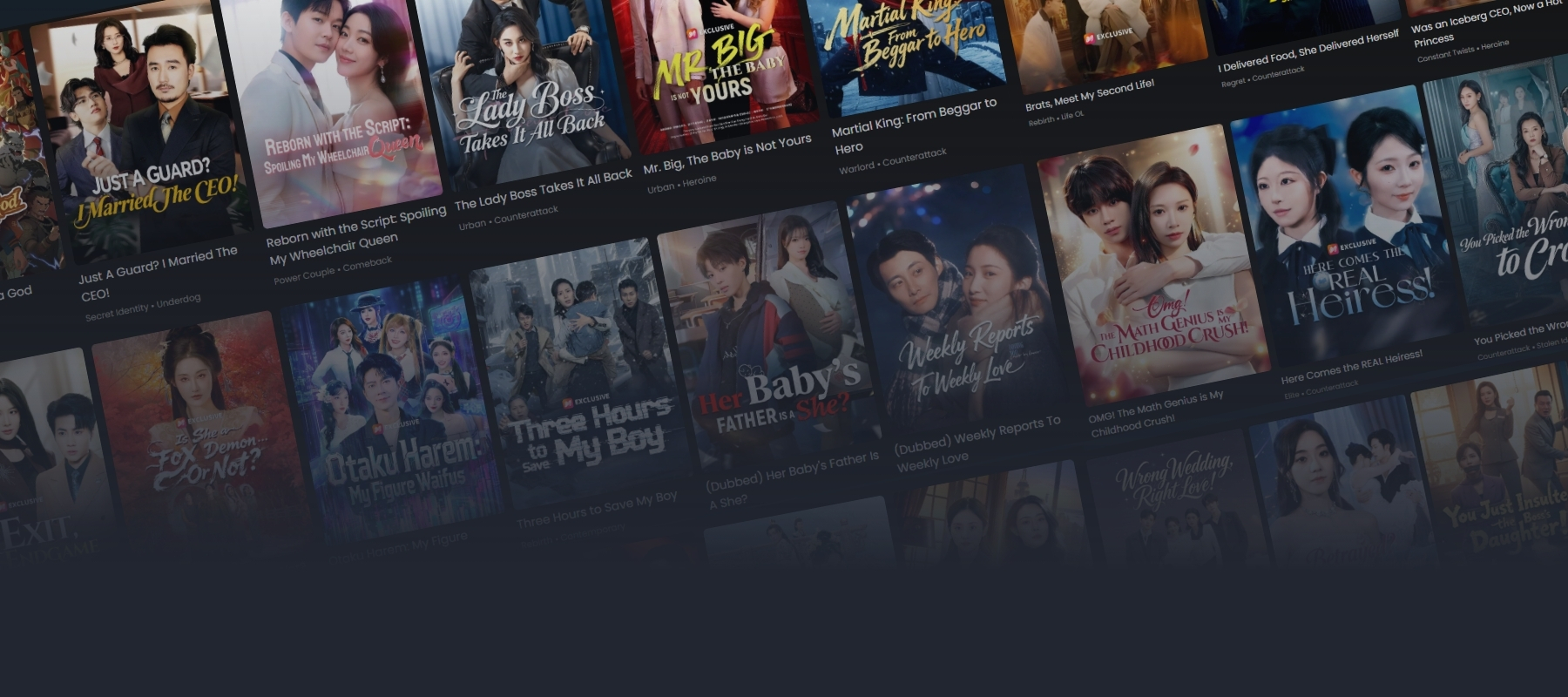

ReelShort brings short films, mini dramas, and the world of episodic storytelling into focus. A memorable screen story can begin with a single decision: someone walks away from a relationship, discovers a secret that changes their family, or realizes that the person they trusted has been living a different life. These situations can develop into romance, suspense, revenge, or fantasy, giving viewers plenty of reasons to explore what happens next.
Short-form entertainment offers a different way to experience these narratives. Some productions tell a complete story in one film, while others develop their characters through a sequence of brief episodes. A dramatic opening may catch your attention, but the relationships, personal choices, and consequences that follow determine whether the story remains interesting.
On ReelShort, visitors can explore subjects connected with short dramas, film storylines, and the performers appearing in screen productions. Whether you are interested in a particular type of movie, curious about a character, or looking for information about a familiar actor, the website brings together entertainment topics that help you discover more about the stories you enjoy.
Find Your Next Story Through ReelShort
Sometimes you know exactly what kind of film you want to watch. Other times, a surprising scene, an unfamiliar actor, or a brief description introduces you to a story you might never have searched for. Both approaches can lead to interesting discoveries, especially in short-form entertainment, where the premise is often established quickly.
A viewer looking for romance may be drawn to a relationship complicated by family expectations. Someone who prefers suspense may want to follow a character uncovering a carefully hidden truth. Others enjoy seeing an underestimated protagonist confront powerful opponents or overcome circumstances that initially seem impossible.
The best starting point is often the question at the center of the story. What does the main character want? What stands in their way? What might change if the truth comes out? These questions reveal more about a film’s direction than its genre label alone.
ReelShort explores these storytelling elements alongside information about short drama productions and screen performers. Looking beyond a title or promotional image can help you decide whether a particular narrative deserves your attention.
Movie Storylines That Keep Audiences Curious
Short drama storytelling frequently draws on recognizable situations, but the characters and consequences give each production its individual identity. A familiar romantic premise, for example, can become a family drama, a mystery, or a story about personal independence depending on how events unfold.
Some common storylines in short-form entertainment include:
- Love under pressure: Relationships challenged by misunderstandings, opposing families, difficult decisions, or differences in social status.
- Unexpected marriages: Characters brought together by unusual arrangements, hidden intentions, or circumstances that gradually develop into emotional connections.
- Secrets and revelations: Stories in which an undisclosed identity, forgotten history, or family connection changes the meaning of earlier events.
- Revenge and personal redemption: Characters responding to betrayal, rejection, or injustice while facing the consequences of their choices.
- Wealth and power: Conflicts involving influential families, business relationships, social expectations, and the contrast between appearance and reality.
- Fantasy and supernatural encounters: Narratives shaped by extraordinary abilities, mysterious transformations, supernatural relationships, or unfamiliar worlds.
- Danger and suspense: Situations involving crime, uncertain loyalties, hidden motives, or decisions with serious personal consequences.
These themes are not limited to one kind of production. A romantic drama can contain elements of mystery, while a fantasy story may revolve around family loyalty or personal sacrifice. Understanding how different themes interact can give viewers a clearer idea of the emotional journey a series may offer.
From One Dramatic Scene to a Complete Story
A short scene can leave a strong impression without revealing the entire plot. Perhaps a character rejects someone in public, a supposedly ordinary person displays unexpected influence, or a family celebration ends with a startling announcement. Scenes like these introduce conflict immediately and encourage viewers to wonder about the events leading up to them.
However, the opening moment is only one part of a complete narrative. The story becomes more meaningful when later events explain the characters’ motivations and show how their decisions affect one another.
The Opening: Understanding What Is at Stake
A compelling opening gives viewers a reason to care about the conflict. The main character might be trying to protect a relationship, recover something important, escape an unfair situation, or uncover the truth. Even when the first scene is dramatic, the audience still needs enough context to understand why the outcome matters.
The Turning Point: When Characters Must Make a Choice
As the narrative progresses, characters face decisions that can change their relationships and personal circumstances. A hidden truth may become impossible to ignore. Someone seeking revenge may discover an unexpected consequence. A relationship that appeared simple may become complicated by loyalty, fear, or an unresolved past.
These turning points help transform an interesting premise into a developing story. They give viewers something to follow beyond the original surprise.
The Resolution: What Makes an Ending Memorable?
An effective ending does more than reveal a secret or settle an argument. It shows what the characters have gained, lost, understood, or changed through their experiences. Some productions conclude with reconciliation or personal growth, while others use a more uncertain or bittersweet outcome.
For a serialized drama, the way earlier conflicts connect to the final resolution can be particularly important. A satisfying conclusion often depends on whether the story has given its important developments enough meaning along the way.
Short Films, Mini Dramas, and Vertical Entertainment
Short-form entertainment includes several formats that can appear similar at first but organize their stories differently. Understanding these distinctions can help viewers choose between a self-contained film and a continuing series.
- Short films generally present a complete narrative within one production. They can explore a relationship, event, or conflict without requiring multiple installments. Their storytelling may be straightforward or experimental, depending on the filmmaker’s approach.
- Mini dramas often divide a larger narrative into connected episodes. Each installment develops part of the overall story, meaning that important events and character relationships may depend on what happened previously. The number and duration of episodes can differ considerably between productions.
- Vertical dramas are presented in a portrait-oriented visual format commonly associated with smartphone viewing. Their composition often emphasizes close interactions, facial expressions, and individual characters. A vertical drama may also be a mini series, since screen orientation and episode structure describe different aspects of the production.
These formats can share similar genres and emotional themes. The choice between them often depends on whether you prefer one complete film, an ongoing storyline, or a particular style of screen presentation.
What Makes a Short Drama Worth Following?
A surprising premise can attract attention, but maintaining interest across multiple episodes requires more than repeated revelations. Characters need understandable motivations, conflicts must develop, and new events should contribute something meaningful to the overall narrative.
When exploring a short drama, several storytelling qualities are worth considering:
- A clear central conflict: The story establishes a problem that matters to its main characters and gives viewers a reason to follow the outcome.
- Recognizable motivations: Character decisions make sense within their circumstances, even when those decisions lead to disagreement or conflict.
- Developing relationships: Interactions change as characters gain new information, confront personal challenges, or reconsider earlier assumptions.
- Meaningful revelations: Important twists influence the narrative rather than existing only to create a brief surprise.
- Consistent storytelling: New developments connect with established events, allowing the plot to progress without losing its central direction.
- An appropriate conclusion: The resolution addresses the main conflict and reflects the characters’ experiences throughout the story.
Different viewers naturally value different qualities. Some prefer emotionally intense romance, others enjoy unpredictable suspense, and some are interested in characters who gradually change their understanding of themselves. A story does not need to appeal to every audience to be memorable to the people who enjoy its particular style.
Discover the Performers Behind Short Drama Characters
A memorable film is shaped not only by its script but also by the performers who bring its characters to life. Acting choices, expressions, dialogue delivery, and interactions with other cast members can influence how an audience understands a relationship or dramatic moment.
Short-form productions can make a strong impression through individual scenes. A convincing confrontation or emotional reunion may encourage viewers to learn more about the performers involved, their previous screen credits, and the kinds of roles they have taken on.
ReelShort also features entertainment articles about screen performers. Readers interested in professional backgrounds can explore topics such as Sam Myerson’s age and career or Ashleigh Murray’s singing background. These articles provide additional subjects to explore beyond the fictional stories themselves.
When researching actors, it is important to distinguish between a fictional character and the person portraying that role. A romantic relationship, family connection, or dramatic personal history shown on screen should not be assumed to reflect a performer’s private life.
Reliable credits, interviews, official biographies, and clearly attributed professional information are useful starting points. Details that have not been publicly confirmed should be treated with care, particularly when several performers have similar names or appear in different productions.
What to Know Before Choosing a Film or Drama Series
An interesting promotional image or plot summary may encourage you to explore a title, but a little additional information can help you understand what to expect. This is particularly useful for serialized productions, where the number of episodes, release status, and viewing conditions may differ from one title to another.
When information is available, consider checking the following details:
- Film or series title: Confirm the exact name of the production, especially when different stories have similar titles or translated versions.
- Synopsis: Identify the main characters and central situation without relying entirely on isolated promotional scenes.
- Cast and characters: Review credited performers when you want to recognize an actor or explore their previous work.
- Episode information: Check whether the production is a standalone film or a series with multiple installments.
- Language and subtitles: Look for available viewing-language information when selecting content from different regions.
- Viewing access: Confirm whether the relevant page provides playable episodes, a trailer, or informational material, along with any applicable access requirements.
Not every film-related page contains the same information. A cast profile may focus on an actor’s career, while a synopsis explains a fictional plot. A dedicated viewing page, where available, serves a different purpose by providing access to video content. Recognizing these differences helps visitors navigate entertainment websites with clearer expectations.
Explore ReelShort Beyond a Single Film
Discovering an interesting story can lead to questions about its characters, performers, or wider genre. A viewer may begin with a dramatic scene and later become curious about the actor’s career. Another may recognize a familiar plot and want to explore how similar stories approach relationships, family conflict, or personal redemption.
ReelShort connects these interests through content about short films, drama series, storytelling themes, and screen performers. Its entertainment coverage offers opportunities to explore a subject from several perspectives, whether that means understanding a character’s situation or learning about the professional background of someone appearing on screen.
For visitors searching for a particular production, the most useful approach is to begin with its exact title and review the information provided on the relevant page. For those exploring more broadly, story themes and performer-related articles can offer a starting point for discovering unfamiliar subjects.
Short-form entertainment is not defined by episode length alone. Its appeal comes from the variety of stories filmmakers can tell, the performances that give those stories personality, and the connections audiences develop with characters over the course of a narrative. Explore ReelShort to learn more about the films, fictional worlds, and people behind the screen stories that interest you.
FAQs
Do viewers need an account to use ReelShort?
Account requirements may vary depending on how viewers access ReelShort. Some features may work differently for signed-in users, so it is better to check the platform directly for current access details.
Can viewers continue watching a story later?
Many short drama platforms are designed around episode-based viewing, which makes it easier to pause and return later. Viewers should check whether their watch history or saved progress is available on the version they are using.
Are ReelShort titles available in every country?
Content availability can vary by region. Some titles, features, or access options may not appear the same for every viewer.
Is ReelShort suitable for younger viewers?
Short dramas can include romance, conflict, revenge, family issues, or intense emotional scenes. Parents or guardians should review the content first if younger viewers are watching.
Home Blog Privacy Policy Editorial Responsibility Terms of Use About Us Contact Us
© 2026 ReelShort . All rights reserved.