
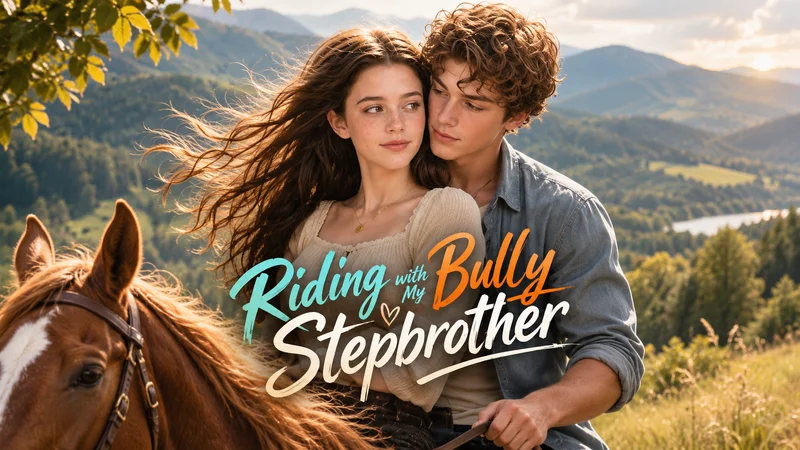
Riding with My Bully Stepbrother review begins with a romance that is supposed to feel uncomfortable. Hayley has dealt with Cole’s bullying, and her mother’s remarriage makes him part of her family. When a vacation forces them together, resentment begins turning into attraction. The premise promises a forbidden love story, but its more interesting question is whether affection can develop without dismissing the harm that came before it.
Released through Vigloo, this 40-episode short drama is categorized as Romance and Teen. Its official description centers on Hayley and Cole, a family trip, and secrets that could change how they understand their history. Readers exploring relationship-driven short dramas through ReelShort may recognize the enemies-to-lovers appeal, although this particular title is identified with Vigloo rather than as a ReelShort original.
This Riding with My Bully Stepbrother review considers the confirmed synopsis, the emotional problems within its central relationship, the use of forced proximity, and the audience most likely to enjoy its premise. Spoiler note: the discussion stays with the setup and does not reveal an unverified final outcome.
What Is Riding with My Bully Stepbrother About?
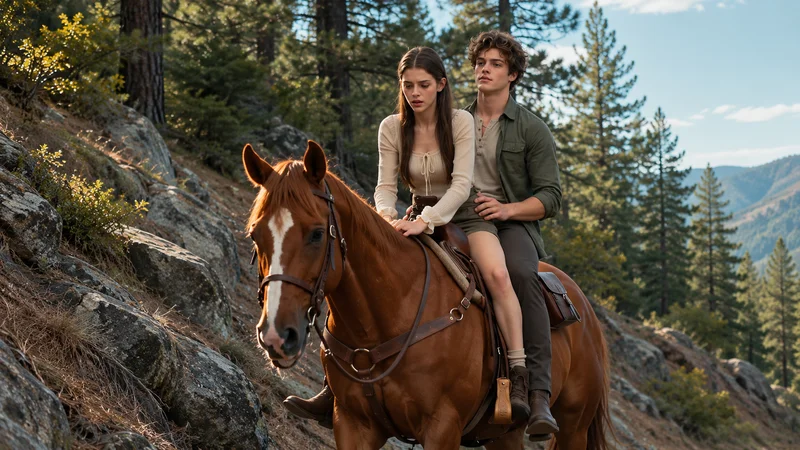
Hayley is a college freshman whose mother has remarried, turning Cole, the young man who has bullied her, into her stepbrother. A family vacation makes avoiding him nearly impossible. Vigloo’s brief description emphasizes a shared horse ride, a physical situation that captures the whole premise: two people who do not want to be emotionally close suddenly have little room to maintain their usual distance.
The relationship does not begin from a neutral misunderstanding. Hayley carries the memory of Cole’s treatment, while the official synopsis suggests that old wounds and buried secrets complicate their growing attraction. Rather than simply meeting a handsome stranger, she faces someone whose presence already has a painful meaning. That difference raises the dramatic stakes and gives the love story a serious obstacle before the romance even starts.
Hayley Has Reasons to Resist More Than the Family Taboo
Hayley’s reluctance is not merely about what other people might think of a romance between step-siblings. She knows Cole as her bully. That history makes any shift in her feelings potentially frightening, because attraction can arrive before trust. The audience is therefore asked to follow an internal conflict between what she remembers and what she is starting to experience.
One of the stronger ideas behind a Riding with My Bully Stepbrother review is that Hayley should not have to rewrite the past simply because the present becomes exciting. Her anger has a basis. Any convincing emotional development would need to acknowledge her experience rather than treating her resistance as a temporary obstacle to seduction.
Cole’s Bully Reputation Is the Romance’s Biggest Test
Cole is presented first as the person Hayley fears confronting, not as an uncomplicated romantic hero. However, a hidden softer side would not be enough on its own.
That distinction is central to this Riding with My Bully Stepbrother review. A familiar romance convention turns hostility into passionate chemistry, but it can become unconvincing when the bully’s accountability disappears. The story’s real challenge is to make Cole more than a character who receives forgiveness because Hayley finds him attractive. Readers who enjoy redemption arcs will probably look for evidence that he understands his past behavior and changes how he treats her.
At the same time, the premise leaves room for complexity. Their shared history may be incomplete, and the official description explicitly promises long-buried secrets. That is an invitation to reconsider assumptions, not proof that Cole was always innocent or that the bullying was secretly romantic.
Why the Horse Ride Is a Smart Starting Image
Vigloo’s promotional line specifically mentions Hayley having to share a horse with Cole. It is a concise image for the forced-proximity trope. Riding together demands cooperation and places them physically close, while their emotional history pushes them apart.
In this Riding with My Bully Stepbrother review, the horse ride matters as a storytelling hook, not as proof that one scene resolves the relationship. An experience that requires temporary trust can sharpen romantic tension, but sharing a moment of closeness is different from earning long-term trust.
A Blended Family Turns Attraction Into a Public Problem
Hayley’s mother’s remarriage does more than place the leads in the same location. It makes their potential relationship socially complicated. If they grow closer, the consequences would extend into a newly formed household. Either way, the family arrangement reduces their ability to treat the attraction as entirely private.
The setup differs from an ordinary school romance because the characters cannot simply stop seeing each other after a disagreement. Holidays, shared spaces, and family expectations make avoidance difficult.
A Riding with My Bully Stepbrother review also needs to distinguish the story’s stated taboo from unsupported assumptions. The public synopsis establishes that Hayley and Cole become step-siblings through remarriage, and that their attraction is forbidden in the story’s social world. It does not provide grounds to invent additional family secrets, legal consequences, or a specific revelation about their parentage.
Can Old Hurt Become a Believable Love Story?
The essential dramatic challenge is not whether Hayley and Cole can feel attracted to one another. The synopsis answers that. The difficult question is what those feelings should mean after a history of bullying. A romance can acknowledge chemistry while still asking whether trust, respect, and an honest apology are possible. Without that effort, the transition from resentment to devotion risks feeling rushed.
Readers who like stories about control and difficult attraction may also appreciate our God of Wrath review. That title involves a dangerous rivalry and obsessive pursuit, whereas Hayley and Cole’s problem begins with personal history and a newly blended family. Both premises invite a useful distinction between dramatic intensity and a relationship that has actually become safer for the person at its center.
The published promise of buried secrets gives this Riding with My Bully Stepbrother review a reason for cautious optimism. Fresh information can change how characters understand the past. Yet revelation is not the same as repair. A well-earned romantic turn would allow Hayley to respond to new facts without requiring her to pretend the earlier hurt never occurred.
What Makes the Setup Appealing, and Where Could It Fall Short?
Several ingredients give the story immediate momentum. The strongest are not elaborate twists but clear emotional contradictions:
- Established resentment: Hayley already has a history with Cole, so their conflict starts with consequences rather than a minor disagreement.
- Forced proximity: The family vacation and shared horse ride make separation difficult and create opportunities for changed perceptions.
- Forbidden attraction: Their new family relationship raises the social stakes beyond ordinary romantic embarrassment.
- Unresolved history: The promised secrets leave room for shifting interpretations of past behavior without specifying the ending.
Stories built around a bully becoming a love interest can romanticize mistreatment if emotional accountability receives less attention than longing. The step-sibling angle adds another obstacle, but a taboo by itself cannot make a relationship convincing. A Riding with My Bully Stepbrother review should judge the setup by how seriously it takes Hayley’s discomfort, not merely by how provocative the premise sounds.
There are also limits to what can be assessed from a synopsis. The source material establishes a recognizable hook and character conflict, but it cannot independently demonstrate the quality of the acting, chemistry, pacing, or final resolution. Those elements require viewing the episodes. For now, the strongest recommendation concerns the concept and its likely appeal to fans of dramatic romantic reversals.
Who Is This Short Drama Best For?
This Riding with My Bully Stepbrother review is most favorable toward the series as a choice for viewers who enjoy enemies-to-lovers stories, forbidden relationships, college-age protagonists, and emotionally charged reunions.
It is a less natural fit for viewers seeking a gentle romance built on mutual respect from the beginning. The bullying history and family taboo are essential, not incidental, parts of the premise. Anyone particularly uncomfortable with romances that reinterpret mistreatment as desire may prefer a different story, even if the series ultimately provides a more sympathetic account of Cole.
Frequently Asked Questions
What is Riding with My Bully Stepbrother about?
The short drama follows Hayley after her mother remarries and Cole, who previously bullied her, becomes her stepbrother. During a family vacation, forced closeness complicates their hostile history and unexpected romantic feelings emerge. The official synopsis also promises buried secrets that could change their understanding of each other. It does not disclose the full ending.
How many episodes does Riding with My Bully Stepbrother have?
The drama is listed as having 40 short episodes by several catalog services, including listings that identify Vigloo as the source platform. Episode availability and access conditions can differ by location or service. The total gives an idea of its serialized format, but it does not establish a single combined movie runtime or guarantee that every episode is free.
Where can viewers watch Riding with My Bully Stepbrother?
Vigloo features the title in its official English-language catalog and identifies it as a romance and teen drama. Third-party services may also list it, but their licensing, prices, and episode access should be checked independently. The presence of a review on an entertainment website does not mean that website produced the series or offers official streaming rights.
Is the relationship between Hayley and Cole a typical enemies-to-lovers romance?
It uses familiar enemies-to-lovers elements, but the starting point is more troubling than ordinary rivalry. Cole has bullied Hayley, and their parents’ marriage makes them step-siblings. Those details create emotional and social obstacles that cannot be resolved by attraction alone. The premise is likely to appeal most to viewers who enjoy morally uncomfortable romantic conflicts.
Final Thoughts
What makes Riding with My Bully Stepbrother interesting is also what makes it difficult to recommend without qualification. Hayley’s attraction to someone who has hurt her creates genuine emotional tension, but the story needs to earn any reconciliation. Its most promising direction is not simply proving that Cole has feelings. It is asking whether those feelings can coexist with accountability, changed behavior, and Hayley’s right to choose.
As a synopsis-based Riding with My Bully Stepbrother review, the verdict is that the premise offers a strong hook for fans of forbidden romance and rapid emotional conflict, with an important caveat about the bullying dynamic. Vigloo’s description establishes the central setup, not the quality of every episode or the final outcome. Viewers should approach it as a provocative short drama rather than a model of healthy courtship.