
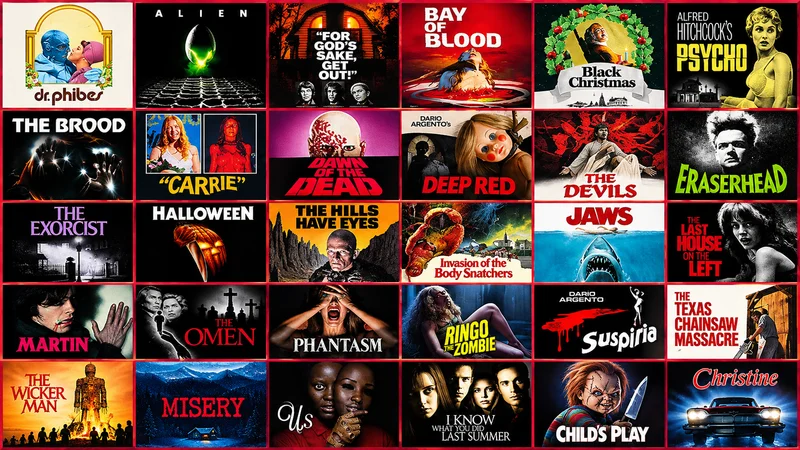
The best old horror movies still know how to frighten audiences without relying on modern visual effects. An impossible hallway, a stranger at the window, or a monster glimpsed in black and white can remain unsettling long after the credits. This Top 35 covers classic horror from 1920 through 1988, including silent nightmares, Universal monsters, psychological thrillers, supernatural stories, and cult favorites that helped shape the genre.
For readers browsing film recommendations at ReelShort, this collection offers a route into movie history without assuming that every older production feels the same. Some films are accessible gateways to suspense, while others contain disturbing violence, intense psychological themes, or unfamiliar storytelling rhythms. These are films from many studios and countries, not productions owned or distributed by this website.
Our selection of the best old horror movies emphasizes memorable storytelling, influence, atmosphere, and variety rather than presenting a definitive critical ranking. Every entry includes a quick guide to genre, mood, and ideal audience, followed by a spoiler-light assessment. Here, “old” means released before 1990, so fans looking specifically for horror from the 2000s can explore that decade separately.
Why Classic Horror Films Still Deserve a Watch
- Inventive imagery: Painted sets, expressive shadows, makeup, and practical effects can create fear without computers.
- Different kinds of monsters: Vampires, haunted families, aliens, and human killers express different anxieties.
- Memorable atmosphere: Silence, sound design, uneasy performances, and patient pacing often do the work.
- Genre-changing ideas: Many familiar slasher, possession, and body-horror conventions began or matured here.
- Flexible viewing choices: From elegant gothic mystery to graphic 1980s gore, there is more than one entry point.
The best old horror movies are not necessarily the bloodiest or the highest rated. Some matter because they pioneered a visual language, while others still work as gripping entertainment. The list moves roughly through film history, so the numbers are recommendations in viewing order, not a claim that a silent masterpiece and a creature feature can be measured on one simple scale.
Silent Nightmares and the Golden Age of Monsters
From German expressionism to Hollywood’s studio monsters, these eight films show how horror established its visual vocabulary. Expect gothic architecture, uneasy faces, tragic creatures, and a pace different from contemporary thrillers. These early entries demonstrate why the best old horror movies still reward careful viewing.
1. The Cabinet of Dr. Caligari (1920)
- Genre: German expressionist psychological horror
- Mood: Dreamlike, distorted, ominous
- Best for: Viewers curious about silent cinema
A mysterious showman brings a sleepwalker called Cesare to a town where unsettling events begin to unfold. Robert Wiene’s film turns painted streets and jagged buildings into reflections of mental instability. Windows tilt, shadows look unnatural, and the very architecture seems to be misleading the characters. Instead of asking the audience to believe in a realistic town, it asks them to inhabit a disturbed perspective.
Its silent format takes adjustment, but the imagery remains astonishingly readable. You can see the beginnings of psychological horror in the idea that the world might be untrustworthy. Start here if you want to understand how filmmakers created anxiety before elaborate soundtracks and realistic special effects.
2. Nosferatu (1922)
- Genre: Silent vampire horror
- Mood: Plague-ridden gothic dread
- Best for: Fans of uncanny visual imagery
Count Orlok brings disease and shadow into the life of a young couple in F. W. Murnau’s unauthorized adaptation of Dracula. Unlike the suave vampires that became familiar later, Orlok is a visibly unnatural intruder. His elongated body and creeping silhouette make the ordinary movement of a figure across a wall strangely unforgettable.
Much of the film’s power comes from the way the environment appears to respond to the vampire. It is worth watching for the eerie use of locations and silhouette alone, even if the acting conventions of the silent era feel distant. Choose the 1922 original when you want a founding image of screen horror, not a modern action-oriented vampire tale.
3. The Phantom of the Opera (1925)
- Genre: Silent gothic melodrama
- Mood: Theatrical, tragic, macabre
- Best for: Gothic-romance and makeup enthusiasts
Deep beneath a Paris opera house, a mysterious figure becomes obsessed with a young singer. Lon Chaney’s portrayal combines a commanding physical presence with an unforgettable appearance, while the performance setting makes disguise and spectacle part of the story. The building seems divided between a glittering public stage and a hidden world of fear.
The famous unmasking is only one reason to watch. The film also shows how horror can operate through sympathy for an outsider without excusing his threatening conduct. Its romantic melodrama may feel more pronounced than modern viewers expect, but its theatrical excess is exactly what makes it distinctive.
4. Dracula (1931)
- Genre: Universal gothic vampire horror
- Mood: Elegant, eerie, restrained
- Best for: Viewers exploring classic monsters
Bela Lugosi’s Count Dracula travels from Transylvania to England, carrying an otherworldly menace into polite society. Tod Browning’s adaptation is less visually restless than some later vampire films, relying instead on Lugosi’s measured delivery, watchful stare, and the uncomfortable pauses around his character. The stranger who appears sophisticated is also a predator.
Some of the stage-influenced pacing can feel slow today, but that makes the performance worth studying. It established an enduring screen image of the aristocratic vampire, very different from Nosferatu’s ratlike figure. Watch them close together to see how one literary monster became two contrasting cinematic nightmares.
5. Frankenstein (1931)
- Genre: Gothic science-fiction horror
- Mood: Tragic, stormy, unsettling
- Best for: Fans of sympathetic monsters
A scientist assembles a living being and learns that creating life is very different from accepting responsibility for it. James Whale’s film gives its most enduring image to Boris Karloff’s creature, whose appearance inspires terror even as his confusion invites compassion. The laboratory’s dramatic machinery matters, but so does the fear that the creator will abandon what he has made.
The movie remains effective because it turns horror toward the people who claim to act rationally. Its creature is frightening and vulnerable at once. Rather than expecting elaborate creature attacks, watch for the way misunderstanding and rejection push an extraordinary experiment toward tragedy.
6. Freaks (1932)
- Genre: Circus-set psychological horror
- Mood: Uncomfortable, compassionate, vengeful
- Best for: Viewers interested in outsider stories
Tod Browning sets his film within a traveling circus, where a performer plots to exploit a wealthy colleague. The cast includes real sideshow performers, and the movie forces audiences to reconsider which characters are actually behaving monstrously. Rather than making physical difference the source of evil, it places cruelty and opportunism at the center of the conflict.
Its treatment of disability and its historical context deserve thoughtful viewing, and some images can still be disturbing. The film belongs on this list because it challenges the easy association between appearance and moral character. It is an unusually provocative example of early horror using the audience’s expectations against them.
7. Bride of Frankenstein (1935)
- Genre: Gothic monster sequel
- Mood: Melancholy, witty, extravagant
- Best for: Fans of tragic fantasy and classic sequels
James Whale returns to Frankenstein’s creature and places his longing for companionship at the center of another dangerous experiment. The sequel expands the earlier film’s visual imagination while allowing dark humor and eccentric personalities into the story. The creature’s isolation becomes more affecting as the prospect of an equal companion comes into view.
It is a rare sequel that deepens the emotional implications of its predecessor rather than only increasing the danger. Elsa Lanchester’s memorable appearance as the Bride has become an icon, yet her role is best appreciated in the context of what the creature has been promised. Watch it directly after Frankenstein for the strongest contrast.
8. Cat People (1942)
- Genre: Supernatural psychological horror
- Mood: Suggestive, anxious, shadowy
- Best for: Fans of subtle suspense
A newly married woman fears that intimacy could trigger a deadly transformation tied to her ancestral beliefs. Jacques Tourneur’s film rarely offers a clear look at a monster, instead turning an indoor pool, a dark street, and ordinary movements into moments of uncertainty. Is the danger supernatural, psychological, or some combination of both?
The restraint makes Cat People a useful bridge from theatrical gothic horror to the subtler terrors of later decades. Its most famous sequences trust sound, negative space, and anticipation. Choose it if you enjoy films that make you watch a doorway rather than display the thing waiting behind it.
Midcentury Paranoia, Ghosts, and Psychological Fear
As the genre changed in the 1950s and 1960s, monsters became more closely connected to identity, social conformity, guilt, and domestic life. Some of the best old horror movies from this period are especially rewarding for viewers who prefer suspicion and ambiguity to constant attacks.
9. Invasion of the Body Snatchers (1956)
- Genre: Science-fiction paranoia horror
- Mood: Suspicious, urgent, uncanny
- Best for: Fans of identity-based mysteries
A small-town doctor encounters residents who insist that people they love have somehow become replacements. Don Siegel turns a familiar community into an environment where recognition can no longer be trusted. Everyday manners become suspicious when an apparently ordinary person might lack the feelings that once defined them.
The alien premise is memorable, but the real terror lies in social isolation. How can someone prove that a neighbor is not who they seem, especially when everyone else dismisses the warning? This is a strong choice for viewers who like speculative horror that doubles as an unsettling portrait of conformity.
10. Eyes Without a Face (1960)
- Genre: French medical gothic horror
- Mood: Beautiful, clinical, disturbing
- Best for: Art-house horror and body-horror fans
A surgeon becomes obsessed with restoring his daughter’s disfigured face, conducting horrifying experiments while she remains isolated in his home. Georges Franju combines delicate imagery with medical cruelty, making a simple white mask both graceful and deeply unsettling. The daughter’s silence gives the story an emotional weight that the doctor’s technical ambition cannot explain away.
This film is more explicit than its lyrical appearance suggests. It asks what happens when a parent’s supposed devotion becomes a justification for harming strangers and denying a child’s agency. The contrast between compassion and violation makes it one of the most singular horror films of its time.
11. Psycho (1960)
- Genre: Psychological slasher precursor
- Mood: Tense, deceptive, intimate
- Best for: Viewers who love suspense construction
A young woman leaves town with stolen money and stops at an isolated motel managed by the awkward Norman Bates. Alfred Hitchcock begins with a crime story before making the audience question what kind of film it is watching. Motive, identity, and even the apparent center of the story shift beneath our feet.
Psycho remains an ideal lesson in controlled information. Its editing, music, and carefully chosen perspectives make familiar spaces seem dangerous without requiring nonstop violence. Viewers who already know its reputation can still appreciate the precision with which Hitchcock builds expectations and then undermines them.
12. Black Sunday (1960)
- Genre: Italian gothic witchcraft horror
- Mood: Lush, sinister, fairy-tale dark
- Best for: Fans of black-and-white gothic imagery
Barbara Steele plays connected figures in Mario Bava’s story of a vengeful witch and a threatened descendant. Crypts, mist, and decaying estates provide a richly textured backdrop, while the camera moves through spaces that feel almost too elegant to contain such gruesome history. The film draws heavily on the pleasure of visual atmosphere.
It is especially appealing if you want older horror that looks unmistakably cinematic rather than stage-bound. Some violent moments remain striking, but it is the collision of beauty and menace that defines the experience. Black Sunday also serves as a gateway to the colorful Italian horror tradition that developed afterward.
13. The Innocents (1961)
- Genre: Gothic psychological ghost story
- Mood: Ambiguous, repressed, haunting
- Best for: Viewers who enjoy uncertain hauntings
A governess caring for two children at a remote estate becomes convinced that supernatural forces are influencing them. Deborah Kerr’s performance gives the growing panic a human center, while the black-and-white photography makes the grounds and interiors feel full of half-seen presences. Every look and whispered conversation can be interpreted in more than one way.
Based on Henry James’s The Turn of the Screw, the film refuses to make belief simple. Is the governess discovering a terrible truth, or projecting her fears onto the children? Its unresolved psychological tension is more important than any isolated apparition. Choose it for a quiet evening that rewards concentration.
14. The Haunting (1963)
- Genre: Haunted-house psychological horror
- Mood: Claustrophobic, disorienting, elegant
- Best for: Sound-driven supernatural suspense fans
Investigators gather at Hill House, a building whose architecture and history seem to resist ordinary explanation. Robert Wise uses off-screen noises, unusual camera angles, and the fragile perspective of Eleanor to make rooms threatening without revealing a dependable monster. The audience is left listening for what cannot be seen.
Its refusal to over-explain is a strength rather than a gap. The house can be understood as a physical location and as a focus for Eleanor’s loneliness and longing to belong. Viewers accustomed to visual effects may find this one slower, but anyone who enjoys fear created by sound and suggestion should give it a chance.
15. Night of the Living Dead (1968)
- Genre: Zombie siege and social horror
- Mood: Harsh, desperate, confrontational
- Best for: Fans of survival horror with social stakes
Strangers barricade themselves inside a farmhouse as the dead begin attacking the living. George A. Romero makes the cramped refuge a second battleground, with conflicting personalities and decisions intensifying the threat outside. The spare black-and-white imagery gives the violence an almost documentary bluntness.
The movie helped establish the rules and anxieties of modern zombie cinema, but its strength does not depend on recognizing that influence. It remains a story about people failing to cooperate when cooperation matters most. It is often more unsettling than its low-budget appearance first suggests, especially as social conflict takes over from the initial shock.
16. Rosemary’s Baby (1968)
- Genre: Urban occult psychological horror
- Mood: Paranoid, intimate, suffocating
- Best for: Fans of slow manipulation stories
Rosemary and her husband move into a Manhattan apartment building, where unusually attentive neighbors begin to intrude on her life. As her pregnancy progresses, Rosemary grows uncertain about the motives of those closest to her. Everyday politeness becomes frightening when it is impossible to establish boundaries or obtain reliable help.
The film’s strongest fear is the gradual erosion of personal control, especially over the body and medical decisions. It builds distrust through conversations and social pressure rather than overt creatures. Choose it if you want a classic that turns a crowded city apartment into one of cinema’s loneliest places.
1970s Horror Breakthroughs and the Rise of the Slasher
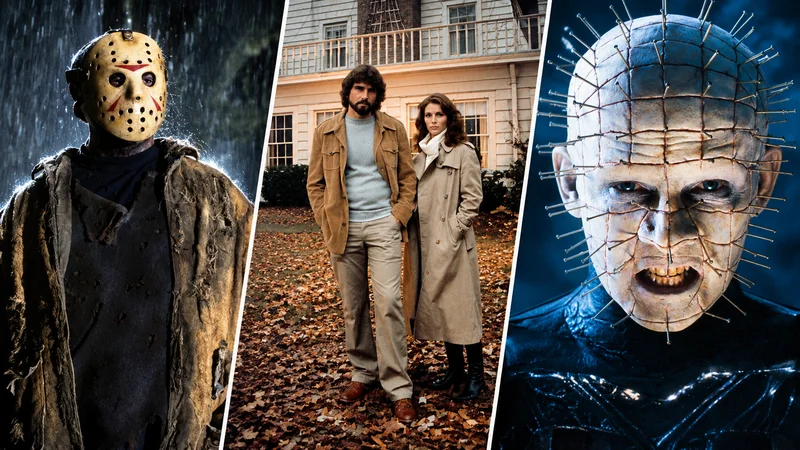
Some of the best old horror movies come from the 1970s, when supernatural stories, exploitation films, and mainstream thrillers pushed fear into more confrontational territory. These ten choices range from intimate grief to iconic killers and science-fiction terror.
17. The Exorcist (1973)
- Genre: Religious possession horror
- Mood: Grave, shocking, emotionally intense
- Best for: Fans of serious supernatural drama
A mother seeks help when her daughter’s behavior becomes increasingly frightening and medical explanations seem inadequate. William Friedkin builds the story around parental helplessness, spiritual doubt, and the effort to understand suffering before making the supernatural threat unmistakable. The performances give the extraordinary events a grounded emotional context.
Its graphic and disturbing material was startling in its era and remains difficult for many viewers. The film works not just because of its notorious imagery but because the adults around the child are forced to confront the limits of their knowledge. It is a demanding benchmark for possession horror rather than a casual midnight diversion.
18. Don’t Look Now (1973)
- Genre: Supernatural psychological thriller
- Mood: Grief-stricken, elusive, ominous
- Best for: Viewers drawn to atmospheric mysteries
A couple grieving the loss of their daughter travels to Venice, where disturbing encounters complicate their attempts to recover. Nicolas Roeg treats the city as a maze of water, reflections, and uncertain signs. The film’s editing connects memories and present experiences in ways that make time itself feel unstable.
Rather than delivering a simple ghost story, it explores how grief can shape perception and leave people vulnerable to what they want to believe. The mystery rewards close attention but does not offer constant reassurance. Watch it for emotional disorientation and visual storytelling, preferably without learning its most famous revelation in advance.
19. The Wicker Man (1973)
- Genre: British folk horror
- Mood: Cheerful on the surface, increasingly ominous
- Best for: Fans of ritual and cultural mysteries
A devout policeman arrives on a Scottish island to investigate a missing girl, only to find that the inhabitants’ customs clash with his assumptions. Robin Hardy makes music, ceremony, and hospitality feel both inviting and unsettling. The islanders rarely behave like conventional movie monsters, which makes their confidence all the more difficult to interpret.
The film is an excellent introduction to folk horror because its dread emerges from social rules rather than an obvious supernatural attacker. The clash of religious beliefs provides its central tension, and the setting has a convincing identity of its own. Choose the 1973 original rather than confusing it with the later remake.
20. Black Christmas (1974)
- Genre: Holiday slasher mystery
- Mood: Chilly, invasive, threatening
- Best for: Fans of early slasher suspense
During Christmas break, students in a sorority house receive disturbing phone calls as a series of frightening incidents unfolds. Bob Clark uses the emptier holiday setting and the uncertainty of where the caller is located to make an ordinary home feel unsafe. The film’s shifting viewpoints are as unsettling as its killer.
Its enduring strength is the way it uses sound, space, and seasonal expectations without relying on extravagant gore. Readers seeking more frightful December viewing can explore our best christmas horror movies list. Start with this 1974 original to see an important prototype for the slasher boom that followed.
21. The Texas Chain Saw Massacre (1974)
- Genre: Rural survival slasher
- Mood: Sweaty, chaotic, relentless
- Best for: Viewers seeking raw intensity
A group of young travelers encounters a terrifying household in rural Texas. Tobe Hooper’s grainy images and abrasive sound create the sensation of being caught in a nightmare that refuses to settle into predictable rules. The danger feels immediate partly because the film avoids the polished spectacle later associated with some slasher franchises.
Its reputation for extremity is understandable, although much of the distress comes from suggestion and performance rather than continuous visible gore. Choose it if you want to experience a defining work of American survival horror. Among the best old horror movies, its rough texture is essential to the effect, not simply a limitation of its budget.
22. Jaws (1975)
- Genre: Aquatic creature thriller
- Mood: Suspenseful, adventurous, nerve-racking
- Best for: Newcomers to classic horror
A seaside community faces repeated shark attacks just as the summer tourist season begins. Steven Spielberg builds the threat through the water’s surface, the reactions of beachgoers, and the conflict between public safety and commercial pressure. The creature is frightening partly because it is often withheld from view.
Jaws is one of the most approachable picks here for someone who does not usually watch horror. Its characters have clear goals and its tension develops with extraordinary precision. The adventure structure makes it entertaining even when you know the premise, while the ocean never quite looks innocent again afterward.
23. Carrie (1976)
- Genre: Supernatural coming-of-age horror
- Mood: Cruel, tragic, explosive
- Best for: Fans of school and outsider stories
A bullied teenager discovers extraordinary powers while struggling under a controlling parent and hostile classmates. Brian De Palma turns the emotional cruelty of adolescence into a supernatural pressure cooker. Sissy Spacek’s performance gives Carrie an awkward vulnerability that makes the social humiliation painful before anything overtly horrific occurs.
The story’s impact comes from the collision between a wish for acceptance and an environment that treats vulnerability as entertainment. Its moments of spectacle are memorable, but the most disturbing element is how ordinary acts of cruelty accumulate. Choose it for character-driven horror where the monster label is far from straightforward.
24. Suspiria (1977)
- Genre: Italian occult horror
- Mood: Colorful, feverish, nightmarish
- Best for: Visual and musical horror enthusiasts
An American ballet student enters a prestigious German dance academy and discovers an atmosphere of secrecy and growing danger. Dario Argento makes the building feel more like a dream than a realistic institution, filling it with saturated color, elaborate architecture, and Goblin’s aggressive musical score.
Logic is less important here than sensation. The film’s extraordinary use of sound and design makes it memorable even when its characters behave with the strange confidence of nightmare figures. It is a strong recommendation for anyone willing to experience horror as audiovisual art instead of a mystery that must explain every detail.
25. Halloween (1978)
- Genre: Suburban slasher suspense
- Mood: Patient, eerie, sharply controlled
- Best for: Viewers discovering masked-killer classics
Michael Myers returns to Haddonfield and begins stalking teenager Laurie Strode on Halloween night. John Carpenter makes familiar streets and houses feel exposed by placing a motionless figure in the background of ordinary scenes. The danger is often visible before the characters recognize it, producing tension through anticipation.
Its straightforward premise became foundational to slasher cinema, but the original remains impressive for its discipline. It understands that seeing a masked figure at the wrong moment can be more frightening than an elaborate explanation. Choose it for clean, sustained suspense rather than the increasingly complicated lore of later installments.
26. Alien (1979)
- Genre: Science-fiction creature horror
- Mood: Isolated, industrial, claustrophobic
- Best for: Fans of survival stories in space
The crew of the commercial spaceship Nostromo responds to a mysterious signal and encounters a life form that turns their vessel into a trap. Ridley Scott treats the ship as a working environment full of cramped corridors and mechanical noise. The alien creature is terrifying, but so is the inability to escape a dangerous workplace.
Sigourney Weaver’s Ripley gives the film a compelling figure whose practical caution matters. Alien succeeds by blending science-fiction worldbuilding with the relentless structure of a haunted-house movie. It is especially rewarding if you like believable locations that gradually become impossible to navigate safely.
1980s Icons, Body Horror, and Practical-Effects Nightmares
By the 1980s, the genre had room for extravagant transformations, nightmare killers, and grimly funny excess. These best old horror movies combine imaginative makeup with more explicit violence, though several still rely on atmosphere and character as much as spectacle.
27. The Shining (1980)
- Genre: Psychological haunted-hotel horror
- Mood: Icy, oppressive, disorienting
- Best for: Fans of slow dread and visual puzzles
A writer takes a winter caretaking job at the isolated Overlook Hotel, bringing his wife and son into an enormous building with a troubling history. Stanley Kubrick uses symmetrical corridors, repeated patterns, and uncanny sound to make the hotel feel like an intelligence beyond its occupants. The family unit becomes more fragile as isolation deepens.
Some viewers find the deliberate pacing hypnotic and others find it distant, but the visual language remains unmistakable. The film invites interpretation without requiring one final explanation for every image. Choose it when you want psychological horror that lingers beyond a conventional sequence of scares.
28. The Evil Dead (1981)
- Genre: Cabin-set supernatural splatter
- Mood: Frantic, inventive, grotesque
- Best for: Fans of energetic low-budget horror
Friends stay at an isolated cabin and unleash a malevolent force after encountering a mysterious recording and book. Sam Raimi uses aggressive camera movement and practical effects to make the surrounding woods and even the furniture feel hostile. The film’s scrappy creativity turns limited resources into an advantage.
Its tone is harsher than the overtly comic sequels, with graphic possession imagery and relentless attacks. What makes it worth seeing is how actively the camera participates in the terror. Choose it if you enjoy filmmakers inventing audacious visual solutions rather than relying on expensive spectacle.
29. Poltergeist (1982)
- Genre: Suburban supernatural horror
- Mood: Wonder-filled, frightening, emotional
- Best for: Mainstream haunted-house fans
A family in a comfortable suburban home experiences increasingly alarming disturbances, particularly around their young daughter. The film makes familiar household objects behave impossibly, turning television screens, bedrooms, and closets into unsettling spaces. Its domestic warmth gives the supernatural disruption a clear emotional cost.
Unlike colder haunted-house films, Poltergeist spends time making the family feel connected before threatening that bond. The spectacle remains imaginative, though some imagery may be more intense than expected for a broadly accessible title. It is a good bridge between classic ghost stories and effects-driven 1980s cinema.
30. The Thing (1982)
- Genre: Antarctic science-fiction body horror
- Mood: Paranoid, bleak, revolting
- Best for: Viewers who love creature effects
Researchers at an Antarctic station encounter an alien organism capable of imitating living beings. John Carpenter turns the group’s isolation into an escalating crisis of trust. Every possible ally becomes suspect, and the threat of imitation makes even a familiar face feel unsafe.
The practical transformations are astonishingly inventive and often disgusting, but the central achievement is the atmosphere of suspicion. Nobody can simply decide who is trustworthy based on appearance. Watch it for a rare balance of compelling science-fiction premise, tense ensemble dynamics, and unforgettable body horror.
31. A Nightmare on Elm Street (1984)
- Genre: Supernatural dream slasher
- Mood: Surreal, inventive, menacing
- Best for: Fans of imaginative movie villains
Teenagers find themselves threatened by Freddy Krueger, a killer who attacks while they sleep. Wes Craven uses the dream setting to dismantle the distinction between safety and danger. Bedrooms, hallways, and even the act of closing one’s eyes become traps rather than places of relief.
Its central idea is still wonderfully simple: sleep is unavoidable, and that makes escape uncertain. Heather Langenkamp’s Nancy provides a resourceful counterweight to Freddy’s threatening theatricality. Choose the original for the frightening premise before the character became more associated with jokes and franchise self-awareness.
32. Re-Animator (1985)
- Genre: Mad-scientist splatter comedy
- Mood: Outrageous, gory, irreverent
- Best for: Cult horror-comedy fans
An ambitious medical student experiments with a serum that can restore life to dead tissue, with increasingly disastrous results. Stuart Gordon approaches scientific obsession with manic energy, allowing ghastly effects and dark jokes to collide in a hospital environment. The characters’ confidence frequently exceeds their judgment.
Jeffrey Combs gives the film an unforgettable obsessive presence, but it is the willingness to push every bad decision further that makes it stand out. Its graphic content is substantial and deliberately absurd. Choose it when you want grotesque comedy rather than the mournful tragedy of classic Frankenstein adaptations.
33. The Fly (1986)
- Genre: Science-fiction body-horror tragedy
- Mood: Intimate, heartbreaking, grotesque
- Best for: Viewers who value character-driven horror
Scientist Seth Brundle tests a teleportation device without realizing that another living organism has entered the experiment. David Cronenberg gradually turns technological success into bodily catastrophe. Jeff Goldblum and Geena Davis make the relationship central, so the transformation is painful for reasons beyond its remarkable effects.
Few body-horror films link physical change to such recognizable feelings of illness, intimacy, fear, and loss. The grotesque imagery is genuinely difficult to watch, yet the emotional tragedy is what makes the movie last. Pick it when you want a monster story that invites compassion rather than only revulsion.
34. Hellraiser (1987)
- Genre: Supernatural body horror
- Mood: Sensual, punishing, otherworldly
- Best for: Experienced dark-fantasy horror fans
A mysterious puzzle box connects ordinary domestic life to a realm of extreme sensation and suffering. Clive Barker’s film makes desire, betrayal, and bodily transformation part of the same terrifying mythology. The Cenobites are visually striking, but the human decisions around the box give the supernatural threat its disturbing meaning.
This is not a standard good-versus-evil monster chase. Its fascination lies in how far people will go when they mistake obsession for fulfillment. Expect graphic practical effects and a particularly cruel emotional atmosphere. Choose it for transgressive fantasy horror that treats temptation as a dangerous invitation.
35. Child’s Play (1988)
- Genre: Possessed-doll slasher
- Mood: Suspenseful, mischievous, nasty
- Best for: Fans of killer-object stories
A child receives a Good Guy doll that conceals the spirit of a murderer, leaving his mother to confront increasingly impossible explanations for frightening events. Tom Holland’s film draws its tension from the gap between what the boy knows and what adults are willing to believe. The innocent design of the toy makes its hidden danger especially effective.
Later installments lean more heavily into Chucky’s outrageous personality, but the original is a tighter suspense story than some newcomers expect. It closes the list with an emblem of 1980s horror’s ability to turn an everyday consumer object into a memorable villain. Choose it for a fun but genuinely threatening introduction to a long-running franchise.
Which Classic Horror Movies Should You Watch First?
The best old horror movies span very different filmmaking traditions, so the right starting point depends on what you want from a scary night. If black-and-white cinema is new to you, begin with Frankenstein for an accessible monster tragedy, Psycho for suspenseful storytelling, or Cat People for a lesson in suggestion. These films explain their appeal through images and characters even when their performance styles feel older.
For more direct thrills, Jaws, Halloween, and Alien offer immediately understandable conflicts and still-impressive tension. Viewers who prefer emotionally complicated horror should try Carrie, The Innocents, or The Fly. If you’re interested in the visual evolution of the genre, move from The Cabinet of Dr. Caligari to Black Sunday, Suspiria, and The Thing to see increasingly ambitious approaches to set design, color, and effects.
Be more cautious with The Texas Chain Saw Massacre, The Exorcist, Re-Animator, and Hellraiser if you dislike graphic or psychologically punishing material. An older release date does not guarantee a mild viewing experience. A thoughtful marathon could pair one silent film, one 1960s psychological story, one 1970s breakthrough, and one 1980s effects showcase. That mix reveals more about horror history than watching four nearly identical slashers.
Frequently Asked Questions
What counts as an old horror movie in this list?
This collection uses films released before 1990, beginning with the silent era and ending in the late 1980s. There is no universal cutoff for the word old, and some viewers use it for anything made before the 2000s. We chose a clear boundary to focus on the foundations of modern horror without repeating newer-decade recommendation lists.
Which classic horror movies are best for beginners?
Frankenstein, Cat People, Psycho, and Jaws offer approachable ways into different kinds of classic suspense. They emphasize character, mystery, or anticipation rather than relying entirely on graphic effects. Poltergeist is another accessible option for many viewers, although its supernatural imagery can still be intense. Age ratings and individual sensitivities matter more than the films’ reputations.
Are old horror films still scary compared with modern movies?
Many are, although the fear often arrives through slower pacing, sound, shadows, or disturbing ideas rather than rapid editing. The Haunting makes unseen noises frightening, while The Thing remains shocking through practical effects and mistrust. Viewers may need time to adjust to earlier acting conventions, but a powerful premise does not automatically lose its impact with age.
Which films have the most graphic violence?
The Thing, The Fly, Hellraiser, and Re-Animator contain particularly intense practical body-horror imagery. The Texas Chain Saw Massacre creates relentless distress, even when some violence is suggested rather than clearly shown. For a less graphic experience, consider The Innocents, Cat People, or The Haunting. Always check current content guidance before selecting a film for a group.
Final Thoughts
The best old horror movies are not museum pieces that survive only because film historians admire them. They still reveal how ordinary spaces become frightening, how monsters can express loneliness or social anxiety, and how little a filmmaker sometimes needs to create dread. A good classic also changes the way you watch newer horror: its techniques begin appearing everywhere once you recognize them.
For an essential starter set, combine Nosferatu, Frankenstein, Psycho, Night of the Living Dead, Halloween, and The Thing. Those six films demonstrate radically different ideas about fear. From there, follow the mood that interests you rather than treating the list as homework. The most memorable classic is often the one whose particular nightmare speaks to you.