
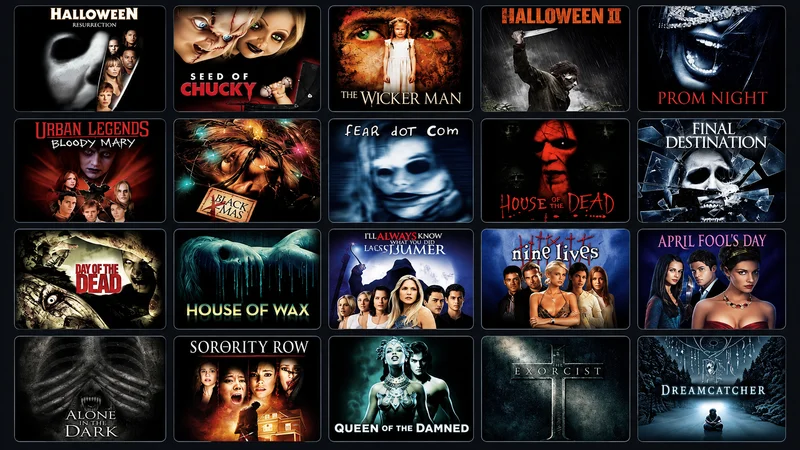
The best 2000s horror movies did not share one look or one kind of fear. From the suffocating caves of The Descent to the quietly haunted rooms of The Others, films released between 2000 and 2009 helped redefine what a scary movie could do. This Top 30 combines influential mainstream favorites with international discoveries, brutal cult films, supernatural mysteries, and horror comedies.
At ReelShort, we look at screen stories through their characters, mood, and ability to make an impression. These recommendations cover theatrical feature films from the decade, not titles produced by the website itself. The selections are editorial rather than a scientific ranking: a slow Japanese ghost story and a frantic British zombie comedy may be equally excellent for completely different viewers.
This guide to the best 2000s horror movies gives each of the 30 films a quick profile and a more specific reason to watch. It also separates gentler atmosphere from graphic extremity so you can choose according to your tolerance for violence. We avoid major endings, and we note a few films whose festival or production dates differ from their later, wider theatrical releases.
What Makes 2000s Horror Worth Revisiting?
- More international voices: Japanese, Korean, Thai, Spanish, French, and Swedish films reached wider audiences.
- New ways to unsettle viewers: Found footage, digital images, and cursed technology made familiar spaces threatening.
- Different levels of intensity: Slow ghost stories sit beside vicious survival films and body horror.
- Character-led fears: Grief, isolation, family tension, and distrust give many scares emotional weight.
- Room for laughter: Zombie comedy and supernatural satire remained central to the decade.
Our list of the best 2000s horror movies includes productions dated 2000 through 2009. The order helps organize recommendations by the type of fear they deliver rather than claim that number one must be every viewer’s favorite. A few films debuted at festivals before reaching broad audiences, so dates may vary by territory and catalog.
Ghosts, Curses, and Found-Footage Nightmares
The best 2000s horror movies often made familiar homes, cameras, and recordings feel contaminated. These eight selections emphasize dread, guilt, investigation, and the fear that seeing something might be enough to invite it closer.
1. The Others (2001)
- Genre: Gothic ghost mystery
- Tone: Hushed, mournful suspense
- Best for: Viewers who dislike graphic gore
Grace lives with her two light-sensitive children in an isolated house, enforcing strict rules about closed curtains and locked doors. When strange disturbances challenge her sense of order, the building becomes a trap made of silence and uncertainty. Nicole Kidman’s intensely controlled performance keeps even mundane household sounds suspicious.
What makes the film linger is the relationship between fear and certainty. It invites you to question what Grace believes without needing a constant stream of apparitions. Choose it for an elegant, patient evening of supernatural suspense rather than a noisy haunted-house ride.
2. The Ring (2002)
- Genre: Cursed-media supernatural horror
- Tone: Cold, investigative dread
- Best for: Fans of unsettling imagery
A journalist investigates a videotape rumored to kill anyone who watches it seven days later. Gore Verbinski’s American adaptation of the Japanese phenomenon turns ordinary technology into something contaminated, with a grim visual atmosphere that makes screens, wells, and televisions feel quietly hostile.
The ticking deadline gives the investigation urgency, but the greatest fear comes from images that refuse to explain themselves. It is particularly effective if you want a mystery that remains frightening between the scares. This is the 2002 American film, not the 1998 Japanese original.
3. A Tale of Two Sisters (2003)
- Genre: Korean psychological ghost story
- Tone: Tragic, dreamlike unease
- Best for: Patient viewers who enjoy ambiguity
Two sisters return to their family’s countryside home, where tension with their stepmother and an apparently haunted household make each encounter feel unstable. Director Kim Jee-woon builds the unease through rooms, colors, silences, and the feeling that family members understand different versions of the same events.
Its value lies in how the supernatural disturbance grows out of grief and domestic conflict. The emotional dimension is as important as the ghostly imagery, and paying attention to details pays off. This is a strong pick for anyone who prefers interpretation and atmosphere to frequent jump scares.
4. Shutter (2004)
- Genre: Thai supernatural horror
- Tone: Guilt-ridden and eerie
- Best for: Fans of ghost photography stories
After a hit-and-run incident, photographer Tun and his girlfriend Jane notice disturbing shapes in photographs. The images are not just proof of a haunting; they become a way of exposing things the couple would rather leave unexamined. The Thai original uses an everyday creative tool to make the past impossible to ignore.
Its ghost mythology connects fear with moral responsibility rather than random bad luck. The creeping discovery is more distinctive than its individual shocks, and the tension rewards viewers who like supernatural mysteries with a personal dimension. Pick the 2004 Thai version, rather than the later English-language remake.
5. Noroi: The Curse (2005)
- Genre: Japanese documentary-style occult horror
- Tone: Methodical and deeply ominous
- Best for: Found-footage mystery enthusiasts
A paranormal investigator disappears after assembling evidence around bizarre incidents and an ancient curse. The film presents interviews, television clips, and recordings that initially seem disconnected. Gradually they suggest a larger pattern without making that pattern easy or comfortable to understand.
Its documentary framing asks viewers to do investigative work alongside the characters. The payoff is a slow accumulation of unease, not fast editing or constant shocks. This selection is especially rewarding for audiences who enjoy piecing together folklore, strange testimony, and fragments of apparently ordinary media.
6. [REC] (2007)
- Genre: Spanish found-footage infection horror
- Tone: Frantic and claustrophobic
- Best for: Viewers seeking nonstop escalation
A television reporter and her cameraman follow firefighters into an apartment building, only to become trapped as a terrifying outbreak unfolds. Because the camera rarely offers a safe perspective, corridors and stairways become sources of immediate panic. The narrow location intensifies the feeling that every decision closes another escape route.
Unlike the more investigative films in this section, [REC] wastes little time once the danger begins. Its documentary viewpoint makes confusion part of the experience, and its final stretch is famously punishing. It is ideal for a high-intensity night, particularly if shaky camerawork does not bother you.
7. The Orphanage (2007)
- Genre: Spanish haunted-house drama
- Tone: Melancholy and suspenseful
- Best for: Fans of emotional ghost stories
Laura returns to the orphanage where she grew up, hoping to build a new future there with her family. When her son disappears, childhood memories and rumors of unseen companions take on frightening significance. The house is both a location and a repository of personal history.
J. A. Bayona’s film is powerful because its horror remains rooted in a parent’s grief and longing. It chooses suggestion and sorrow more often than excess violence. For viewers who want a ghost story with an emotional aftertaste, this is an excellent alternative to purely shock-driven haunted-house films.
8. Paranormal Activity (2007)
- Genre: Domestic found-footage supernatural horror
- Tone: Minimalist, sleep-disrupting tension
- Best for: Fans of subtle nighttime scares
Katie and Micah record activity in their home after they become concerned about an unseen presence. The fixed camera, quiet rooms, and long stretches in which apparently nothing happens turn the expectation of movement into the main source of fear. You start watching the empty corners instead of the people.
Oren Peli’s minimalist approach makes a normal bedroom feel unsafe without elaborate effects. It is best watched with few distractions. The film began screening in 2007 and became a wider U.S. theatrical phenomenon in 2009, so both dates appear in some catalogs.
Creatures, Outbreaks, and Survival Under Pressure

For a faster heartbeat, the best 2000s horror movies turned forests, caves, cities, and even supermarkets into traps. These choices differ in scale but all ask what remains of good judgment when survival becomes uncertain.
9. The Descent (2005)
- Genre: Cave-set creature survival horror
- Tone: Suffocating, aggressive suspense
- Best for: Claustrophobia and creature-horror fans
A group of women descend into an unfamiliar cave system, where a disastrous expedition leaves them fighting darkness, physical hazards, and predatory creatures. Neil Marshall makes limited space frightening before the monsters fully take over. Every narrow passage forces the characters into contact with both the environment and one another.
The film also turns personal grief and strained friendships into survival pressures, so group dynamics never feel secondary to the action. If you want a movie that creates fear through geography, sound, and dwindling options, this is among the decade’s strongest choices. It can be especially intense for viewers uncomfortable with enclosed spaces.
10. 28 Days Later (2002)
- Genre: Post-apocalyptic infection horror
- Tone: Desolate, urgent, socially anxious
- Best for: Fans of infected-world survival
Jim wakes from a coma to discover an eerily empty London after a virus has devastated society. Danny Boyle’s stark digital imagery turns recognizable city streets into unsettling open space. The infected are terrifying, but the film also asks what desperation does to uninfected survivors.
Its importance to the decade goes beyond the speed of the attackers. It blends a road-movie survival story with questions about institutions, trust, and civilization’s collapse. Start here if you enjoy tense apocalyptic movies with recognizable human stakes rather than elaborate creature lore.
11. The Host (2006)
- Genre: Korean monster and family horror
- Tone: Energetic, tragicomic, politically sharp
- Best for: Monster-movie fans seeking more depth
A creature emerges from Seoul’s Han River and takes a young girl, sending her family into a desperate attempt to recover her. Bong Joon-ho moves between monster attacks, bureaucratic obstruction, dark humor, and intimate family desperation without treating those elements as separate movies.
The monster is visually memorable, but the family’s determination provides the emotional center. This is an excellent gateway to Korean genre cinema because the scares, jokes, and social criticism continually reinforce one another. It works particularly well for people who want a creature feature with characters worth caring about.
12. The Mist (2007)
- Genre: Creature horror and social breakdown
- Tone: Oppressive, bitter, morally tense
- Best for: Stephen King adaptation fans
After a storm, a mysterious fog traps shoppers in a grocery store while deadly creatures move outside. Frank Darabont’s adaptation of Stephen King makes the people inside almost as alarming as the threat beyond the windows. Fear creates competing leaders, belief systems, and increasingly dangerous decisions.
The enclosed supermarket becomes a miniature society under pressure. The film is less about identifying every creature than about watching certainty collapse when information is scarce. Choose it if you want monster horror with a severe moral edge; its famously bleak reputation is best approached without reading detailed spoilers.
13. 30 Days of Night (2007)
- Genre: Arctic-set vampire siege
- Tone: Cold, violent, relentless
- Best for: Fans of savage vampire horror
An Alaskan town faces an extended winter darkness, creating a perfect hunting ground when vicious vampires arrive. The setting turns a familiar weakness of vampires, their dependence on darkness, into a strategic advantage. Snow and isolation leave survivors with few routes to safety.
Unlike romantic or aristocratic vampire stories, this one emphasizes predators and exhausted resistance. The town’s geography and the seasonal premise give the siege an instantly understandable clock. Watch it when you want a grim, action-oriented vampire film with a distinct visual environment.
14. Dog Soldiers (2002)
- Genre: British werewolf action horror
- Tone: Rowdy, tense, darkly funny
- Best for: Action-horror and practical-effects fans
Soldiers on a training exercise in the Scottish Highlands find themselves facing a pack of werewolves. The military team’s practical problem-solving gives the attacks a distinctive rhythm: they approach the creatures like an enemy unit but must adjust to something far beyond their training.
Neil Marshall balances siege-movie momentum with rough humor and an appealingly scrappy atmosphere. It lacks the solemn tone of many supernatural films, which is exactly why it belongs here. Pick it for a high-energy creature feature where camaraderie and improvisation matter as much as the monsters.
15. The Ruins (2008)
- Genre: Jungle survival and body horror
- Tone: Uncomfortable, increasingly desperate
- Best for: Fans of hostile-environment terror
Vacationing friends visit an archaeological site in Mexico and discover that the location itself harbors a lethal botanical threat. Ordinary travel curiosity becomes a nightmare of confinement as carnivorous vines and escalating injuries eliminate seemingly sensible options.
The film gets traction from the uncomfortable idea that nature can be a deliberate antagonist. Its body-horror emphasis may be too harsh for viewers who prefer implication over injuries, and its characters sometimes make frustrating choices. It is still worth considering when you want survival horror that replaces a masked killer with a hostile environment.
Slashers, Home Invasions, and Extreme Horror
This section of the best 2000s horror movies is the toughest watch. Some titles use cruel puzzles or relentless violence; others make loneliness or ordinary domestic spaces frightening. Content sensitivities matter more here, so choose carefully.
16. Saw (2004)
- Genre: Trap-based psychological horror
- Tone: Grimy, puzzle-driven dread
- Best for: Fans of moral dilemmas and twists
Two strangers wake up chained in a filthy bathroom, apparently caught in a sadistic test designed by a figure called Jigsaw. The confined setup, fragmented chronology, and threat of impossible choices turn the simplest props into sources of anxiety. James Wan’s original film is far more focused than the increasingly elaborate mythology of its sequels.
Its lasting appeal comes from the tension between trying to solve a puzzle and recognizing the cruelty of the puzzle maker. Choose the 2004 original for its stripped-down mystery, but expect significant violence and disturbing implications rather than a conventional detective thriller.
17. May (2002)
- Genre: Psychological horror and obsessive isolation
- Tone: Sad, awkward and increasingly grotesque
- Best for: Fans of offbeat character studies
May is an intensely lonely young woman whose attempts to form close relationships repeatedly fail. Angela Bettis makes her both unsettling and painfully vulnerable, while Lucky McKee allows social awkwardness to curdle gradually into the grotesque. Much of the film’s fear comes from watching longing change into possession.
Readers who follow complicated attraction in our God of Wrath review will find a much darker treatment of fixation here. May does not present obsession as proof of romance; it follows the emotional and physical damage that can emerge when connection becomes entitlement. The film debuted in 2002 and reached U.S. theaters in 2003.
18. High Tension (2003)
- Genre: French slasher horror
- Tone: Brutal, fast and confrontational
- Best for: Viewers tolerant of extreme violence
Friends Marie and Alex visit Alex’s family home in the countryside, where an intruder launches a devastating attack. Alexandre Aja sustains pressure through pursuit, isolated roads, and the vulnerability of an unfamiliar setting. The early stretch is built around immediate survival rather than elaborate mythology.
It also belongs to an era when French horror pushed screen violence to uncomfortable levels. Some viewers find its eventual narrative turn divisive, so the recommendation comes with a caveat: watch for relentless intensity, not for a perfectly airtight mystery. The film first appeared in 2003, with a later U.S. release.
19. Martyrs (2008)
- Genre: French extreme psychological horror
- Tone: Bleak, punishing and philosophical
- Best for: Experienced viewers comfortable with graphic material
A young woman’s search for those who harmed her opens onto a far darker system of suffering. Pascal Laugier’s film shifts expectations more than once, refusing to remain an ordinary revenge story. Its violence is explicit, prolonged, and closely tied to questions about the meaning people impose on other people’s pain.
This is one of the least casual recommendations here. The intellectual ambition does not make its brutality suitable for everyone, and viewers may disagree fiercely about whether its methods are justified. Choose it only if you actively seek severe, unsettling horror that refuses an easy emotional release.
20. Inside (2007)
- Genre: French home-invasion extremity
- Tone: Frenetic, gory and nightmarish
- Best for: Dedicated extreme-horror audiences
On Christmas Eve, a pregnant widow becomes the target of a mysterious woman intent on entering her home. The tight domestic setting and relentless escalation turn a moment usually associated with family protection into a nightmare of exposure. Alexandre Bustillo and Julien Maury stage the confrontation with little room for relief.
It earns its place because the holiday setting and threat to bodily autonomy make the terror especially personal. However, the graphic violence and pregnancy-related distress are substantial content concerns. This is not an introductory horror recommendation; it is for viewers deliberately seeking the harsh end of the genre.
21. The Strangers (2008)
- Genre: Home-invasion suspense
- Tone: Cruelly plausible, stripped-back dread
- Best for: Fans of masked intruder stories
Kristen and James stay in an isolated vacation home when masked strangers begin terrorizing them. Bryan Bertino uses knocks, distant figures, and the terrible uncertainty of where an intruder is standing to undermine the safety of everyday rooms. Familiar domestic space gradually loses its meaning as shelter.
Its tension comes from apparently arbitrary threat rather than a complicated supernatural explanation. The sparse motivations may frustrate viewers who want everything explained, but that uncertainty is also the film’s point. It is a tough choice for anyone seeking comfort; for home-invasion fans, the atmosphere is its main achievement.
22. Final Destination (2000)
- Genre: Supernatural fate-driven thriller
- Tone: Inventive and anxious
- Best for: Fans of elaborate suspense set pieces
A teenager foresees a plane disaster and persuades several passengers to leave before it happens. Their survival creates a new problem: the characters begin to suspect that death itself is correcting an interrupted plan. Everyday objects become alarming because ordinary accidents suddenly appear connected.
The film’s clever hook gives the audience a peculiar kind of participation. You scan each scene for tiny hazards, trying to predict the chain of events before the characters can. It is more playful and inventive than the grimmest films in this group, making it a suitable bridge between mainstream thrillers and supernatural horror.
Vampires, Dark Comedy, and Inventive Genre Hybrids
Not every entry in the best 2000s horror movies takes itself entirely seriously. These eight films bend horror toward romance, satire, seasonal folklore, historical grief, or black comedy without losing their sharper edges.
23. Shaun of the Dead (2004)
- Genre: British zombie horror comedy
- Tone: Witty, affectionate and unexpectedly moving
- Best for: Viewers who want humor with stakes
Shaun tries to repair his stalled personal life just as a zombie outbreak overruns the neighborhood. Edgar Wright’s precise editing and carefully planted jokes make the comedy work, but the characters’ everyday disappointments give the chaos a human dimension. A pub becomes both a ridiculous plan and a makeshift last stand.
The film is an ideal starting point for newcomers who are nervous about horror. It still contains genuine peril and bloodshed, yet its warmth makes the experience inviting. Repeat viewings reveal visual jokes and background details that a first watch may miss.
24. Drag Me to Hell (2009)
- Genre: Supernatural curse horror comedy
- Tone: Loud, mischievous, gross-out fun
- Best for: Fans of Sam Raimi-style chaos
A bank employee rejects a desperate customer’s request and finds herself apparently cursed. Sam Raimi turns an ordinary professional decision into a grotesque chain of supernatural punishment, filling the movie with startling physical comedy, monstrous imagery, and outrageous reversals.
Its energy distinguishes it from the decade’s more solemn ghost films. The curse raises uncomfortable questions about guilt and unfair consequences, but the movie also delights in making viewers shriek and laugh almost simultaneously. Choose it for a lively group watch, especially if you appreciate horror that knows when to be ridiculous.
25. Ginger Snaps (2000)
- Genre: Werewolf coming-of-age horror
- Tone: Acerbic, emotional and bloody
- Best for: Fans of teen identity stories
Outsider sisters Ginger and Brigitte have built a private world around their fascination with death. A werewolf attack disrupts that bond, and Ginger’s physical transformation becomes inseparable from adolescence, sexuality, and changing identity. The monster metaphor is clear without reducing either sister to a simple symbol.
The relationship between the sisters keeps the film emotionally alive even when its creature effects become graphic. It is a smart pick for people who like their teen horror rebellious and skeptical about the pressures of fitting in. Its sharp attitude is a welcome counterpoint to more conventional romantic werewolf stories.
26. Let the Right One In (2008)
- Genre: Swedish vampire drama
- Tone: Tender, chilly and morally uneasy
- Best for: Fans of atmospheric character horror
Bullied schoolboy Oskar befriends Eli, a mysterious child living nearby, in a snowy Swedish suburb. Their connection offers companionship and danger at the same time. Tomas Alfredson shoots the winter landscape with such restraint that the violence, when it arrives, feels both startling and inseparable from the characters’ loneliness.
Rather than leaning on vampire spectacle, the film examines intimacy, dependence, and the fear of abandonment. It is emotionally affecting but deliberately ambiguous about what affection costs. Choose it if you want supernatural horror with unusual tenderness and unsettling ethical questions.
27. Trick ‘r Treat (2007)
- Genre: Halloween anthology horror
- Tone: Playful, macabre and celebratory
- Best for: Halloween-night movie parties
Several stories unfold across one Halloween night in a town where seasonal traditions carry sinister consequences. A small costumed figure named Sam links the episodes, while seemingly separate encounters overlap in satisfying ways. The anthology format lets the film move from mischievous tricks to genuine menace without abandoning its holiday atmosphere.
Its main pleasure is the way details connect across different stories. It is an easy recommendation for viewers who enjoy folklore, costumes, and a seasonal setting as much as shocks. Completed in 2007, it received its widely known home-video release in 2009, so the two dates are sometimes confused.
28. The Devil’s Backbone (2001)
- Genre: Spanish historical ghost story
- Tone: Melancholic, haunted and political
- Best for: Viewers who like layered period horror
During the Spanish Civil War, a boy arrives at an isolated orphanage where a ghostly presence accompanies adult secrets and violence. Guillermo del Toro blends the supernatural with the lived fear of a vulnerable community. The haunting is not a distraction from history; it is one way the film makes history impossible to bury.
The result is rich in empathy and atmosphere rather than simply frightening imagery. This is a particularly good choice for viewers who want ghost stories that carry emotional and political meaning. It pairs naturally with The Orphanage, though each film has its own distinct emotional emphasis.
29. The House of the Devil (2009)
- Genre: Retro occult slow-burn horror
- Tone: Quiet, ominous and patient
- Best for: Fans of old-school suspense
A college student accepts a lucrative babysitting job at an isolated house, even though the circumstances feel increasingly wrong. Ti West carefully recreates the textures and pacing of earlier horror cinema, allowing small social oddities and empty rooms to accumulate into a persistent sense of danger.
For much of its runtime, anticipation does more work than visible threat. This patient approach can feel too slow if you prefer immediate attacks, but it rewards viewers who enjoy noticing warning signs. The film is an excellent example of how a period aesthetic can become part of the fear rather than mere nostalgia.
30. Jennifer’s Body (2009)
- Genre: Supernatural teen horror comedy
- Tone: Bitter, funny and blood-soaked
- Best for: Fans of female-friendship horror
A small-town teenager becomes possessed and begins preying on boys, leaving her best friend Needy to confront a terrifying change in their relationship. Karyn Kusama’s film uses demonic horror to explore competition, manipulation, and the way teenage friendship can become a struggle over loyalty and identity.
Its satirical dialogue and tonal shifts are not for everyone, but the perspective gives it a different personality from the era’s standard teen slashers. The combination of cruelty, humor, and complicated affection makes it a strong finale to this collection of inventive genre hybrids.
Which Horror Movies Should You Watch First?
The best 2000s horror movies reward different moods, and choosing by intensity is more useful than blindly following a numerical ranking. If you are relatively new to horror, begin with The Others or The Orphanage for quiet suspense, or Shaun of the Dead when you want jokes to offset the tension. Let the Right One In suits anyone who wants more emotional ambiguity than straightforward shocks.
For an energetic evening, [REC], The Descent, and 28 Days Later deliver escalating danger through very different visual approaches. Viewers who like solving puzzles and finding patterns may prefer The Ring, Noroi: The Curse, or Final Destination. These films give you something to anticipate beyond the next loud sound.
At the harshest end, Martyrs, Inside, and High Tension feature graphic or psychologically exhausting material and are not casual group-night recommendations. If you want strong horror without that level of brutality, try Shutter, A Tale of Two Sisters, or The House of the Devil. There is no obligation to watch the most extreme titles to appreciate the decade’s accomplishments.
Frequently Asked Questions
What years count as 2000s horror movies?
For this list, the decade runs from January 1, 2000, through December 31, 2009. A movie’s production year, festival premiere, and wider theatrical release can differ, which explains why some databases use different dates. We flag notable cases such as Paranormal Activity, May, and Trick ‘r Treat instead of silently treating every release history as identical.
Which 2000s horror movies are scariest without being extremely gory?
The Others, The Orphanage, and Paranormal Activity are reasonable starting points if you prefer suspense and supernatural unease over constant graphic injury. Shutter and A Tale of Two Sisters are more psychologically unsettling. Scare tolerance is personal, so even these choices may be intense for viewers who are sensitive to haunted-house imagery or sudden shocks.
Which films are good introductions to international horror?
Try Spain’s The Orphanage for an emotional ghost story, South Korea’s The Host for monster action mixed with family drama, Thailand’s Shutter for a revenge haunting, or Sweden’s Let the Right One In for restrained vampire horror. Each offers a different storytelling tradition without requiring previous knowledge of a franchise. Subtitles can also preserve the original performances and atmosphere.
Are 2000s horror remakes worth watching alongside the originals?
They can be, especially when comparing tone and cultural context. The 2002 American The Ring is distinct from the Japanese film Ring released in 1998, and later versions of Shutter should not be confused with the 2004 Thai original. Watching the original and remake separately makes differences in pacing, images, and character emphasis easier to appreciate.
Final Thoughts
The best 2000s horror movies show why this decade still feels unusually adventurous. Digital cameras could create intimacy, international filmmakers brought different folklore and fears into focus, and old monsters could support new stories about friendship, class, or family. A strong list should reflect that range rather than treat high body counts as the sole measure of quality.
Start with the kind of discomfort that appeals to you. Pick The Descent for physical panic, The Others for careful atmosphere, Let the Right One In for melancholy, or Shaun of the Dead for sharp humor. The most rewarding selection is the film whose particular style of fear you actually want to experience.